
 Published: 14 Aug 2026 | Updated: 20 Oct 2026


There is no single rule that says every RNG must be completely retested at one fixed interval.
Instead, the UK's regulatory framework uses several layers of testing and auditing. New RNGs must be tested before they are released for gambling, while changes to an RNG or the systems that use it can trigger further testing. Applicable licensees must also undergo an annual casino games testing audit and an annual independent security audit.
This approach means RNG oversight is not simply a once-a-year check. Testing takes place when new products are introduced or relevant changes are made, while annual audits provide an additional layer of ongoing assurance.
For an online casino operating under UK regulation, like Genting Casino, this creates a continuing testing and compliance process rather than relying on one initial check. Dive deeper through the following points:
- When Is an RNG Tested?
- Is RNG Tested Every Year?
- What Happens During RNG Testing?
- What Does RNG Testing Check?
- What Happens After an RNG Is Tested?
When Is an RNG Tested?
A new RNG must complete satisfactory testing before it can be released for use.
The UK Gambling Commission requires RNG and game testing to be carried out by an approved independent test house. The test report must be submitted to the Commission before the new RNG or game is released for play. The report records details such as the RNG version, its use, the testing scope and the results.
This pre-release testing helps establish that the RNG meets the relevant technical requirements before it is used to determine gambling outcomes.
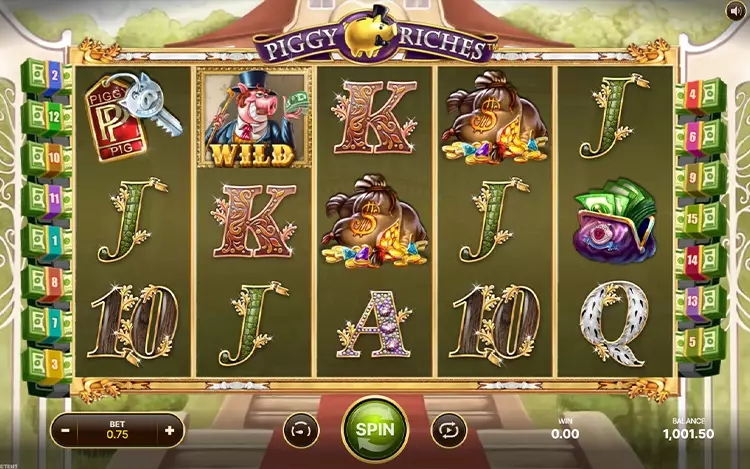
Testing can also be required when an existing RNG, such as in an online slot game, remote gaming system or game, undergoes a change that could affect how it works or its fairness.
Is RNG Tested Every Year?
Not necessarily as a complete technical retest of every RNG.
However, applicable licence holders must complete annual games testing and security audits. These reviews cover game-testing processes and critical systems that generate, transmit or process random numbers.
So, while every RNG is not automatically retested every 12 months, the systems and controls supporting RNG-driven games are reviewed annually.
What Happens During RNG Testing?
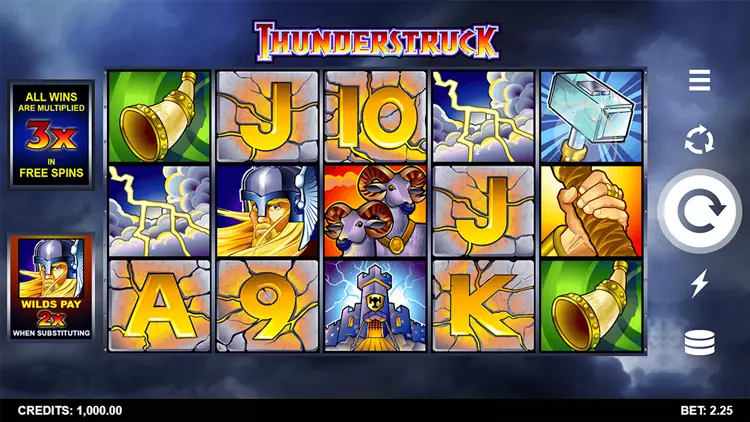
RNG testing checks more than whether numbers appear random. Approved test houses document the testing scope, methods and results, including the RNG's version, type, digital signature, intended use and limitations.
Testing assesses the RNG's statistical behaviour and how it integrates with the game to determine outcomes. This matters because even a sound RNG could be incorrectly implemented in software.
What Does RNG Testing Check?
UKGC standards require RNGs to meet several requirements.
|
Random distribution |
RNG output should be uniformly distributed across its relevant output range, while game outcomes should follow their expected or theoretical probabilities. |
|
Unpredictability |
Future outputs should not be practically predictable. The technical standards require software RNGs to be computationally difficult to predict without complete knowledge of the algorithm and seed value. |
|
Scaling and mapping |
Random values may need to be converted into the possible outcomes of a game. Testing checks that this process does not introduce inappropriate bias or undermine the required random properties. |
|
Security |
Testing and security audits also consider the systems surrounding the RNG. The UKGC identifies systems that generate, transmit or process random numbers as critical systems within its security requirements. |
Together, these checks help assess whether an RNG is functioning as designed rather than simply producing numbers that look random.
|
Genting Casino Tip: When checking claims about RNG fairness, look beyond the question of whether an RNG was tested once. The more useful picture comes from pre-release testing, testing after relevant changes, annual games testing audits and ongoing security controls. |
What Happens After an RNG Is Tested?
Testing does not mean the RNG is forgotten once it passes.
Licence holders must keep appropriate records and submit required test reports to the UKGC. The Commission's games test reporting requirements cover RNG-driven products and require relevant results to be maintained through its games register.
The annual games testing audit provides another review of the licensee's testing processes. It assesses whether games and relevant updates have been tested according to the testing strategy.
This creates a cycle of testing, reporting and review rather than treating certification as a permanent guarantee.
Why Regular RNG Testing Matters
So, how often is RNG tested? There is no single annual deadline for retesting every RNG. Instead, UK regulation combines pre-release testing, further checks after relevant changes, annual games testing audits and independent security audits of critical random-number systems.
For Genting Casino, this framework supports the testing, reporting and ongoing compliance of RNG-driven games. Testing checks randomness and security but cannot predict individual results or guarantee wins.
Responsible gambling remains essential: RNG testing supports fair operation but does not make gambling predictable.
|
RNG testing supports fair and random game operation, but it cannot predict results or guarantee wins. If you gamble online, remember that previous results do not affect future outcomes. Avoid chasing losses, set suitable limits and seek help if gambling becomes difficult to control. Always play responsibly. |
FAQs
How often does the UKGC test RNGs?
New RNGs must be tested before release, while relevant changes can require further testing. Applicable licence holders also have annual games testing audits and annual security audits.
Does every RNG need a full test every year?
No. The UKGC does not require every RNG to undergo a complete fresh technical test every 12 months. Annual audits review testing controls, while additional testing is required when relevant new products or changes are introduced.
Who tests casino RNGs?
RNG and game testing must be carried out by an approved independent test house under the UKGC's testing framework.
Can an RNG be tested again after an update?
Yes. If an update could affect the fairness or operation of an RNG or game, further testing may be required before the updated system is released.
Are live casino games tested in the same way?
Not always. Traditional live dealer games can use physical equipment rather than RNGs, so they have separate regulatory requirements. RNG-based features within a live casino product may be subject to the relevant RNG requirements.