

 Published: 12 Aug 2026 | Updated: 20 Oct 2026


Random Number Generators (RNGs) are used to produce random outcomes in many digital casino games, including virtual table games and other software-based titles.
A common concern is whether casinos can adjust an RNG to make players lose more often. In the UK, this is not permitted under Gambling Commission rules, which require strict technical standards to ensure outcomes remain properly random.
Randomness must be proven through statistical testing, and any changes that alter game probabilities during play are not allowed.
While technical issues can occur in any system, licensed operators cannot deliberately manipulate outcomes outside these regulated controls. At Genting Casino, these standards are part of a wider framework designed to ensure games are tested, fair, and compliant.
Dive deeper through the following points:
- How Do Casinos Use RNG?
- Can Licensed Casinos Change RNG Outcomes?
- How RNG Fairness Is Tested
- Can Past Results Reveal RNG Manipulation?
- What About Software Changes?
- Do Live Casinos Use RNG?
How Do Casinos Use RNG?
An RNG generates a sequence of numbers or values that a game can use to determine an outcome.
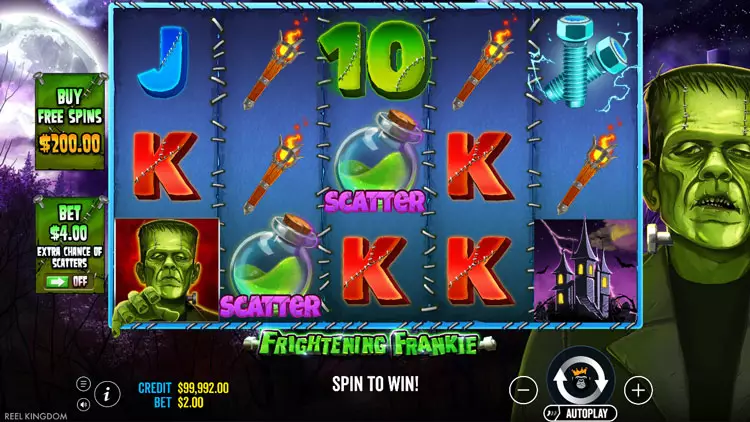
The RNG output is then mapped to the relevant game result according to the game's mathematical design, which may be seen in casino games like online slots. The software must use those random inputs in a way that follows the game's rules and intended probabilities.
This is important because the RNG itself is only one part of the system. The game software must also correctly translate the random output into the result presented to the player.
Can Licensed Casinos Change RNG Outcomes?
A licensed casino cannot simply adjust an RNG during play to change the likelihood of particular outcomes.
Under RTS 7, RNG and game results must be acceptably random. Adaptive behaviour that changes outcome probabilities during play is not permitted.
The rules also place restrictions on changing game rules, probabilities and other parameters while a game is available for gambling. Where changes are permitted under the rules, they must be handled according to the relevant requirements and brought to the customer's attention where required.
For an online casino operating under UK regulation, this creates a clear distinction between maintaining and updating software and secretly changing the outcome probabilities of a game.
How RNG Fairness Is Tested
RNG fairness is not based simply on an operator saying that its system is random.
The Gambling Commission's testing strategy requires independent testing for relevant RNG driven products. Approved test houses can assess whether the RNG and game comply with the applicable technical standards.
RNG testing can include:
- Reviewing the RNG documentation
- Checking the RNG algorithm or hardware for known weaknesses
- Reviewing relevant source code
- Statistically testing raw RNG output
- Testing scaled or shuffled data where applicable
- Checking how random inputs are mapped to game outcomes
- Reassessing identified issues after they have been addressed
Game testing can also examine whether the software implements its documented rules and whether the process that converts RNG output into game outcomes works as intended.
These checks help separate genuine technical issues from claims based only on unusual results.
Can Past Results Reveal RNG Manipulation?
Past results alone cannot prove that an RNG has been manipulated.
Random sequences naturally include repeats, streaks and patterns, which do not indicate any change to the system.
A player may see an unusual run and assume manipulation, but this cannot be confirmed from outcomes alone.
RNG integrity is assessed through statistical testing and technical review, not small samples of results. The Gambling Commission’s process includes analysing raw RNG output and how it is applied in games.
For this reason, claims that a game is “due” to a certain result are not evidence of manipulation.
What About Software Changes?
Casino software does sometimes need to be updated.
Updates can fix technical issues, change game features, or improve the platform. However, any changes that could affect fairness must follow strict testing requirements.
The Gambling Commission distinguishes between major and minor updates, and fairness-impacting changes may require external retesting. Updates to a remote gaming system or RNG can also affect multiple games, so representative testing is important.
This acts as a safeguard. A software update does not mean a casino is manipulating outcomes.
All changes must be handled within the regulatory testing framework.
Do Live Casinos Use RNG?
A live casino game does not always use an RNG for its main outcome.
In traditional live dealer games, results come from physical equipment, such as a roulette wheel or real playing cards.
Software is still used for streaming, data handling and the online interface, but it does not determine the physical result.
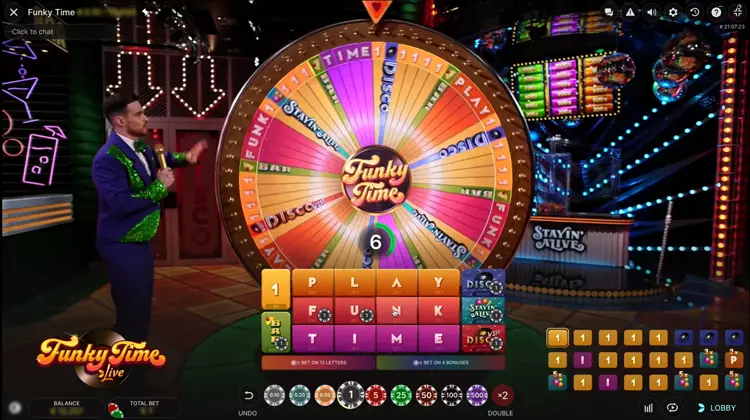
Some live casino game shows, like Funky Time, with its random multipliers, may mix physical play with computer-generated features, so the use of an RNG depends on the specific game design.
|
Genting Casino Tip: When assessing claims that a casino is manipulating an RNG, focus on evidence from regulatory requirements and independent testing rather than short sequences of game results. Unusual results alone do not establish that an RNG has been altered. |
Understanding RNG Fairness
So, do casinos manipulate RNG? In a regulated UK gambling environment, operators must use RNG systems that meet strict standards for fairness and randomness. They cannot alter outcome probabilities during play, as the Gambling Commission enforces testing, game checks and independent security audits of all systems that generate and process random numbers.
For licensed operators such as Genting Casino, these rules apply to all remote gambling activity. While technical issues can still occur, systems are designed to detect and resolve them rather than allow manipulation of RNG outcomes.
Whether in online casino games or live casino features, RNG results should not be seen as controllable or predictable based on past outcomes. Responsible gambling is essential because results are always random and cannot be influenced through patterns.
|
Understanding RNGs can help explain how digital casino games work, but it should not be treated as a method for predicting outcomes or finding a guaranteed way to win. If you choose to use an online casino, keep gambling within limits that are appropriate for you. Do not chase losses or treat gambling as a way to solve financial difficulties. Responsible gambling also means recognising when gambling is becoming difficult to control and taking a break when necessary. Gambling outcomes remain uncertain regardless of how an RNG operates. |
FAQs
Can a casino manipulate its RNG?
A regulated casino cannot simply manipulate an RNG during play to change the probabilities of game outcomes. UK Gambling Commission standards prohibit adaptive behaviour that changes outcome probabilities during play.
How does the UK Gambling Commission check RNGs?
Testing can include reviewing RNG documentation and source code, checking for known weaknesses, statistically testing outputs and examining how random numbers are mapped to game outcomes.
Can a casino change its game software?
Software can be updated, but changes that could affect fairness may require appropriate testing. The Gambling Commission's testing strategy sets requirements for different types of game and software changes.
H3: Can previous results prove that an RNG has been manipulated?
No. A short sequence of results, even if it appears unusual, cannot by itself demonstrate that an RNG has been manipulated. Statistical and technical testing is needed to assess RNG behaviour.
H3: Do live casino games use RNGs?
Not necessarily. Conventional live dealer games generally use physical equipment for their primary outcomes, although some live casino products can include software based or RNG driven features. The specific game rules determine how each component works.