
 Published: 5 Aug 2026 | Updated: 15 Oct 2026

American roulette has a familiar layout, but its double zero creates a higher house edge than single-zero roulette.
Some common mistakes also come from misunderstanding probability, chasing losses or treating betting systems as a way to predict random results. These mistakes are seen in any casino, including online casinos.
Knowing these pitfalls can help readers and Genting Casino players understand the game more clearly and approach information about roulette with realistic expectations. Learn more through the following points:
- Misunderstanding the Double Zero
- Chasing Losses
- Believing Previous Results Predict the Next Spin
- Overlooking the House Edge
- Using Betting Systems as a Guarantee
- Failing to Set a Bankroll Limit
- Increasing Bets After Losses
- Letting Emotions Influence Decisions
Misunderstanding the Double Zero
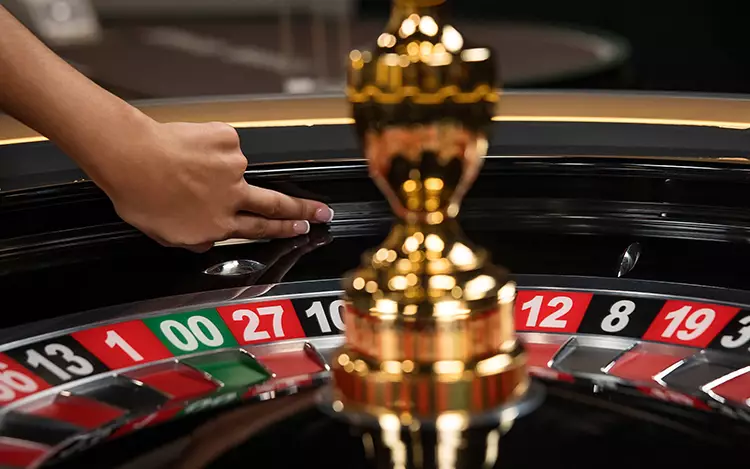
American roulette has 38 pockets: numbers 1 to 36, 0 and 00. The extra pocket changes the probability of standard wagers and gives the house a mathematical advantage of 5.26% on most standard bets. The five-number bet covering 0, 00, 1, 2 and 3 has an even higher house edge of 7.89%.
This is one reason why checking the wheel before playing is important. A table that looks similar to another roulette game can have different mathematical properties.
Chasing Losses
Trying to recover a previous loss by increasing later wagers is a common betting trap. A new roulette spin does not become more likely to produce a particular result because of what happened previously.
Chasing losses can also cause spending to increase beyond a person's original limits. The Gambling Commission advises people to control the time and money they spend gambling and to use available tools to manage their activity.
Believing Previous Results Predict the Next Spin
Roulette outcomes are determined by chance. A run of red results does not make black more likely on the next spin, and a number that has not appeared recently is not therefore "due".
This mistake can affect decisions in both online roulette and live roulette. Previous results do not change the mathematical probability of the next spin.
Overlooking the House Edge
Another common mistake is focusing only on the potential payout while ignoring the probability of the outcome.
American roulette has 38 possible outcomes, meaning standard even-money bets such as red or black have a 47.37% chance of winning rather than 48.65% on a 37-pocket wheel. The house edge on these standard bets is 5.26%.
Understanding this distinction gives a more accurate picture of the risk involved.
Using Betting Systems as a Guarantee
Betting systems may change how wagers are selected or how amounts are adjusted, but they cannot alter the underlying probability of a roulette spin.
Progressive systems can also encourage larger wagers after losses, potentially increasing financial exposure. No system can remove the house edge or guarantee a winning result.
The Gambling Commission describes roulette as an example of a game whose outcome is determined entirely by chance.
Failing to Set a Bankroll Limit
Starting without a clear spending limit can make it harder to keep gambling within affordable boundaries.
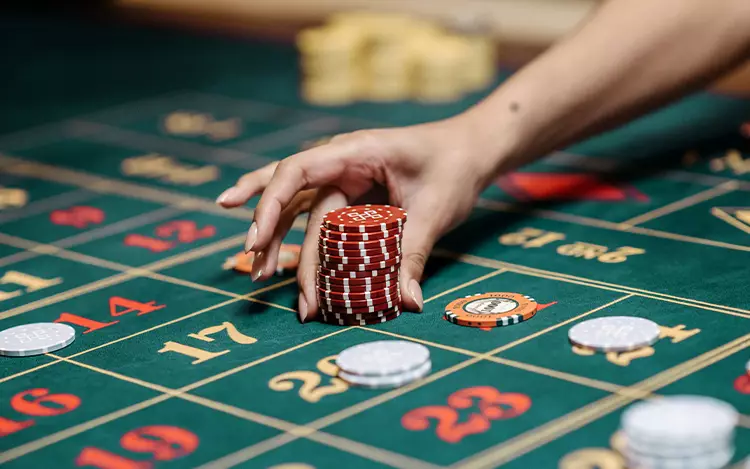
A sensible bankroll approach is based on setting a maximum amount that can be lost before starting, rather than deciding limits during play. Once that limit is reached, stop rather than adding more funds.
For online casino play, reviewing account activity can also help track how much time and money has been spent. The Gambling Commission states that online gambling websites must provide access to account activity so customers can review their gambling history.
Increasing Bets After Losses
Increasing a wager after losing does not improve the probability of the next result. The next spin remains independent of previous outcomes.
This approach can also make losses accumulate more quickly. Treating a previous loss as a reason to increase the next wager is therefore a risk management issue rather than a mathematical strategy.
Letting Emotions Influence Decisions
Frustration after a losing spin or excitement after a win can affect judgement. Making decisions based on these emotions can lead to longer sessions or changes in spending limits.
A better approach to responsible gambling is to decide personal boundaries before starting and stick to them regardless of the results.
|
Genting Casino Tip: Before using an online casino or live casino roulette game, check the wheel type, available bets and relevant game information. Understanding the rules in advance can help prevent decisions based on incorrect assumptions. |
How to Manage a Roulette Bankroll
Bankroll management does not improve the mathematical odds of American roulette. Its purpose is to help keep gambling activity within predetermined financial limits.
Consider these principles:
|
Bankroll Principle |
Purpose |
|
Set a limit before playing |
Establishes a clear maximum loss |
|
Do not use essential money |
Keeps gambling separate from financial commitments |
|
Avoid chasing losses |
Prevents previous losses from driving new decisions |
|
Track gambling activity |
Makes time and spending easier to review |
|
Stop when the limit is reached |
Prevents unplanned additional spending |
The Gambling Commission recommends setting spending limits and taking timeouts as part of safer gambling.
Avoiding Common Betting Traps
The main risks in American roulette often come from incorrect assumptions rather than complicated rules.
|
Common Trap |
Why It Is Misleading |
|
"A number is due." |
Each spin is independent |
|
"A losing streak must end soon." |
Previous results do not change future probabilities |
|
"I can win back my losses." |
Increasing play can increase losses |
|
"A betting system guarantees results." |
Systems cannot change the house edge |
|
"All roulette bets have the same edge." |
The five-number bet has a higher house edge |
|
"A larger bankroll means better odds." |
More funds do not change the probability of outcomes |
Recognising these traps can make it easier to separate mathematical facts from common gambling misconceptions.
Understanding the Risks
The most important mistakes to avoid in American roulette involve misunderstanding probability, chasing losses, ignoring the house edge and allowing spending decisions to change during play.
At Genting Casino, understanding the structure and risks of American roulette can help readers approach information about the game with greater clarity while keeping responsible gambling at the centre of any decision.
|
Responsible gambling means recognising that American roulette is a game of chance and that losses are possible. Bankroll management cannot remove the house edge or guarantee a positive result. Do not gamble to recover debts, improve your finances or solve financial problems. Set limits on time and spending, take breaks and use available safer gambling tools when appropriate. The Gambling Commission specifically advises against using gambling to improve personal finances. If gambling is becoming difficult to control, stopping and seeking support is more important than trying to recover losses. |
FAQs
What is the biggest mistake to avoid in American roulette?
Chasing losses is one of the most important mistakes to avoid because increasing gambling after a loss can lead to spending beyond an original limit.
Does the double zero affect the house edge?
Yes. American roulette has a 5.26% house edge on most standard bets because the wheel has 38 pockets instead of 37.
Can previous roulette results predict the next spin?
No. Each spin is independent, so previous results do not determine what happens next.
How can I manage a roulette bankroll?
Set a maximum amount before starting, keep gambling money separate from essential finances, track your activity and stop when your predetermined limit is reached.
Is the five-number bet different from other American roulette bets?
Yes. The five-number bet covers 0, 00, 1, 2 and 3 and has a higher house edge than most standard American roulette bets.