

 Published: 18 Aug 2026 | Updated: 22 Oct 2026


RNG and live dealer games offer different ways to experience online casino play, with outcomes produced through software in one format and physical games conducted by dealers in the other.
This Genting Casino article explains how each format works, compares their key differences and considers predictability, technology, human interaction, regulation and responsible gambling. It also answers common questions about RNG and live dealer games.
The article covers:
- What Are RNG Casino Games?
- What Are Live Dealer Games?
- RNG vs Live Dealer Games: Key Differences
- How Are Live Dealer Game Outcomes Determined?
What Are RNG Casino Games?
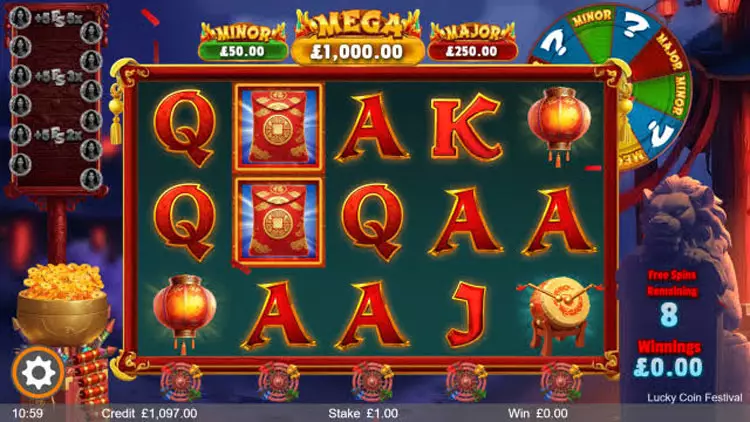
RNG games use a random number generator to determine outcomes. An RNG is a software or hardware system designed to produce random results according to the rules of the game.
In online casino games, such as online slot machines, the RNG works behind the scenes. The result is generated electronically rather than being produced by a physical dealer or piece of equipment being shown on screen.
For gambling software covered by the UK Gambling Commission's Remote Gambling and Software Technical Standards, random outcomes must be acceptably random. The Commission says outcomes should also be unpredictable, while adaptive behaviour that changes the probabilities during play is not permitted.
What Are Live Dealer Games?
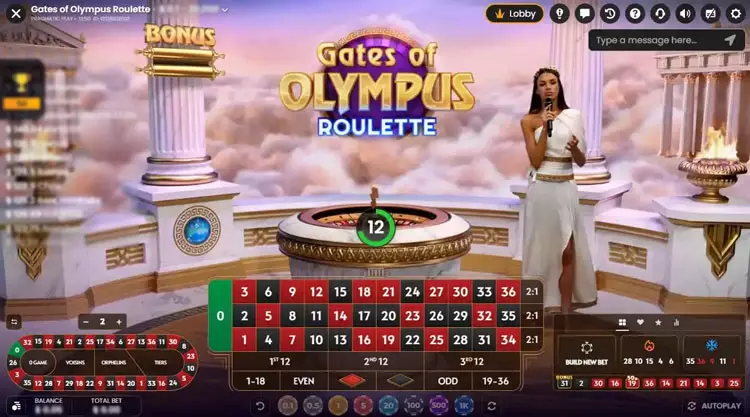
Live dealer games use real dealers and physical equipment, with the action streamed to players digitally. The dealer conducts the game according to its rules while cameras and other technology allow the action to be viewed remotely.
This creates a different experience from an RNG game. Instead of a software system producing the entire outcome, the game is conducted through a physical process involving a dealer and equipment.
The UK Gambling Commission has specific requirements for live dealer studios. These include requirements for fairness and independent auditability, as well as appropriate equipment, dealer training, supervision, video surveillance and game records.
|
Genting Casino Tip: Think of each RNG result as an individual random outcome. Previous results should not be treated as a signal about what happens next. |
RNG vs Live Dealer Games: Key Differences
|
Feature |
RNG games |
Live dealer games |
|
Outcome process |
Generated by an RNG |
Produced through a live physical game |
|
Dealer |
No live dealer is required |
A trained live dealer conducts the game |
|
Equipment |
Digital or simulated game elements |
Physical gaming equipment |
|
Presentation |
Software-based interface |
Live video stream |
|
Human involvement |
Mainly through the software and game design |
Dealer and studio staff are directly involved |
|
Regulation |
RNG and software standards apply |
Live dealer studio standards also apply |
The biggest difference is therefore how the game is conducted and how its outcome is produced.
How Are Live Dealer Game Outcomes Determined?
With live dealer games, the outcome comes from the physical game being conducted in the studio. A dealer may handle cards, operate equipment or carry out another part of the game's procedure, depending on the rules.
Technology still plays an important role. Cameras transmit the action, software records relevant information and studio systems support the delivery of the game.
Technology and Human Interaction
The most noticeable difference may be the level of human interaction.
RNG games are software-led. The interface presents the game and its outcomes without requiring a live dealer to conduct each round.
Live dealer games add a human element. A dealer conducts the game and players can watch the action as it happens through a video stream.
This distinction affects presentation, but it does not make one format inherently more predictable or guarantee a particular outcome.
Understanding the Difference
RNG and live dealer games differ mainly in how their outcomes are produced and presented. RNG games rely on random number generation, while live dealer games use a physical game conducted by a dealer and streamed digitally.
Both formats operate within regulatory requirements designed to support fairness. RNG systems must produce acceptably random outcomes, while live dealer operations must be fair and independently auditable.
Genting Casino's information on these formats can help players understand the technology and processes behind them. Knowing the difference is useful, but neither format should be viewed as offering a reliable way to predict future outcomes.
|
If you choose to gamble, do so responsibly and within limits that are appropriate for you. Do not chase losses or assume that previous results make a particular outcome more likely. If gambling becomes difficult to control, consider taking a break and using available safer gambling tools or seeking appropriate support. |
FAQs
What is the main difference between RNG and live dealer games?
RNG games use random number generation to determine outcomes, while live dealer games are conducted through a physical game involving a live dealer and equipment.
Are live dealer games controlled by an RNG?
Not necessarily. A live dealer game's outcome is produced through the physical game being conducted, although technology is used to stream, record and support the operation.
Are RNG games truly random?
RNG systems used under the relevant UK regulatory standards must produce outcomes that are acceptably random and unpredictable.
Can previous results predict either type of game?
No. Previous outcomes should not be treated as a reliable way to predict the next outcome in either RNG or live dealer games.
Are live dealer games regulated in the UK?
Yes. The UK Gambling Commission has specific standards for live dealer studios, including requirements covering fairness, independent auditability, equipment, dealer training and surveillance.