

 Published: 23 May 2026 | Updated: 21 Aug 2026

One of the defining features of live casino gaming is its continuous flow. Whether you're watching a roulette wheel spin, following a blackjack hand, or enjoying a live game show, the action moves naturally from one round to the next.
At Genting Casino, live casino games combine professional dealers with specialised technology to ensure that round transitions are smooth, organised, and easy for players to follow.
Understanding what happens between rounds can provide useful insight into how live online casino games operate. To learn more about this, we’ll be going through the following points:
- Why Round Transitions Matter in Live Casino Games
- The Typical Structure of a Live Casino Round
- What Happens After a Round Ends?
- How Dealers Prepare for the Next Round
- The Role of Technology During Transitions
- Differences Between Game Types
Why Round Transitions Matter in Live Casino Games
Round transitions help maintain the rhythm of gameplay while ensuring that every stage of a game is completed correctly.
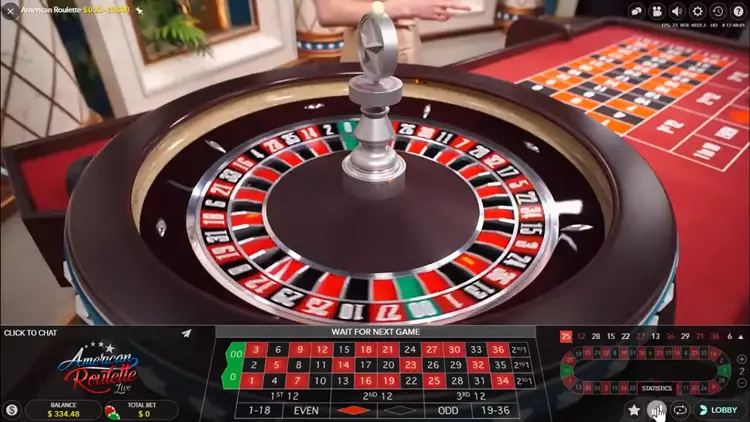
Between rounds, dealers and gaming systems must confirm outcomes, display results, prepare for new bets, and ensure that players have the information they need before the next round begins.
The UK Gambling Commission requires live dealer games to operate in a fair and transparent manner, which includes maintaining clear procedures throughout gameplay.
The Typical Structure of a Live Casino Round
Although every game has its own rules, most live casino rounds follow a similar sequence.
|
Stage |
Purpose |
|
Betting Open |
Players make their selections |
|
Betting Closed |
No further wagers are accepted |
|
Game Action |
The dealer conducts the round |
|
Outcome Display |
Results are shown to players |
|
Round Completion |
The game is finalised |
|
Next Round Preparation |
Systems and dealers prepare for the next game |
This structured approach helps ensure consistency and clarity throughout the gaming experience.
What Happens After a Round Ends?
Once a round has been completed, several processes occur before the next one begins.
The outcome is recorded and displayed to players, game information is updated, and any relevant statistics or history panels are refreshed. The dealer then prepares the table for the next round while the gaming system processes the necessary information in the background.
These steps typically happen quickly, allowing gameplay to continue without unnecessary delays.
How Dealers Prepare for the Next Round
Dealers play a central role during round transitions.
After announcing the result of a round, they follow established procedures to prepare for the next game. Depending on the game type, this may involve collecting cards, resetting equipment, preparing the wheel or table, or confirming that the game area is ready.
Professional dealer training and operational procedures help ensure that transitions remain consistent and easy for players to follow.
The Role of Technology During Transitions
Technology supports almost every aspect of live casino gameplay.
During transitions between rounds, gaming systems help:
- Record game outcomes
- Update player interfaces
- Refresh table information
- Display game history
- Manage betting windows
- Synchronise live video and game data
|
Technology Function |
Purpose |
|
Outcome Processing |
Records completed results |
|
Interface Updates |
Refreshes player screens |
|
Betting Controls |
Opens and closes betting periods |
|
Statistics Displays |
Updates historical information |
|
Live Streaming Systems |
Maintains uninterrupted video feeds |
These systems work alongside the dealer to create a seamless experience.
The UK Gambling Commission's Remote Gambling and Software Technical Standards (RTS) require gambling systems to operate reliably and support fair gambling practices.
Differences Between Game Types
Round transitions can vary depending on the game.
For example:
|
Game Type |
Transition Characteristics |
|
The wheel result is confirmed before new betting begins | |
|
Cards are resolved before the next hand starts | |
|
Results are displayed before the next betting period | |
|
Additional presentation elements may occur between rounds |
Despite these differences, all games follow structured procedures designed to maintain fairness and consistency.
|
Genting Casino Tip: Pay attention to the transition period between rounds. It's a useful opportunity to review game information, understand the pace of play, and decide whether you wish to participate in the next round. |
The Systems Behind Smooth Gameplay
The smooth transition between rounds is one of the reasons live casino games feel so engaging. Behind every new round is a combination of dealer expertise, operational procedures, and technology working together to keep the game organised and easy to follow.
At Genting Casino, understanding what happens between rounds can help players appreciate the structure of live casino gaming and navigate games with greater confidence. Whether you're playing roulette, blackjack, baccarat, or a live game show, these behind-the-scenes processes help ensure a consistent and transparent experience.
|
Because live casino games move continuously between rounds, it is important for players to remain aware of both their spending and their time spent playing.
While smooth transitions contribute to an enjoyable experience, players should remember that all gambling involves chance and should always be approached as a form of entertainment. |
FAQs
What happens between live casino rounds?
After a round ends, the outcome is confirmed, displayed to players, and the game is prepared for the next round.
Why are there short pauses between rounds?
These pauses allow dealers and gaming systems to complete necessary procedures before the next betting period begins.
Does the transition process differ between games?
Yes. Different games have different procedures, but all follow structured steps designed to maintain fairness and consistency.
What role does technology play during transitions?
Technology helps update results, refresh interfaces, manage betting periods, and synchronise game information.
Can players use transition periods to review information?
Yes. The time between rounds can be a useful opportunity to review game details and decide whether to participate in the next round.