

 Published: 16 Jun 2026 | Updated: 31 Jul 2026

Modern slot games have changed dramatically over the past decade. What began as relatively simple digital adaptations of classic machines has developed into experiences that borrow ideas from films, television and video games.
Today, online casino game developers place significant attention on presentation. Music, sound effects, animations and storytelling all work together to create a cohesive experience that complements gameplay. Rather than serving as decoration alone, these elements help establish atmosphere, reinforce themes and make each game feel distinctive.
As technology has improved, audio quality, graphics and animation have become just as important as the mathematical mechanics that power every game. This evolution has transformed how players experience modern slot entertainment at licensed online casinos like Genting Casino.
This article will be covering the following points:
- Why Audio Has Become Essential in Slot Design
- The Evolution of Slot Soundtracks
- How Cinematic Presentation Changes the Experience
- The Rise of 3D Graphics and Immersive Environments
- How Audio and Visual Design Work Together
- What Developers Consider During Production
Why Audio Has Become Essential in Slot Design
Audio is often the first element players notice after launching online slots. Even before symbols begin to move, background music helps establish the mood and introduces the world the game is trying to create.
Different audio elements serve different purposes.
|
Audio Element |
Purpose |
|
Background music |
Establishes atmosphere and supports the game's setting |
|
Reel sounds |
Confirms gameplay actions and creates familiarity |
|
Symbol effects |
Highlights important events without distracting players |
|
Feature music |
Signals bonus rounds or special features |
|
Ambient sounds |
Makes environments feel more natural and immersive |
Instead of using repetitive sounds, many modern slot game providers now produce layered soundtracks that evolve as gameplay progresses. Music may become more energetic during feature rounds before returning to a calmer background during standard play.
Developers increasingly borrow techniques used throughout video games and cinema, where audio helps tell a story and creates emotional consistency across an experience.
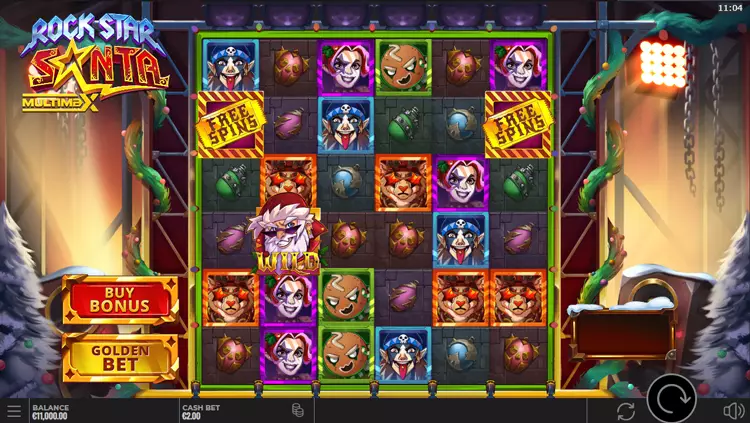
The Evolution of Slot Soundtracks
Earlier digital slots often relied on short loops and simple electronic effects. While functional, these sounds rarely reflected the game's setting.
Modern releases approach music differently.
Soundtracks are frequently composed specifically for each title, using orchestral arrangements, electronic music, regional instruments or cinematic scores that match the setting. A mediaeval adventure may feature choirs and strings, while a futuristic release could include synthesised music and digital soundscapes.
Many games also introduce adaptive audio. Rather than playing continuously at the same intensity, music changes naturally as different features become available.
This approach helps maintain variety without overwhelming the player. It also allows moments such as discovering a jackpotfeature or entering a bonus sequence to feel more distinctive through carefully timed musical transitions rather than visual effects alone.
How Cinematic Presentation Changes the Experience
Visual storytelling has become another defining characteristic of modern slots.
Instead of simply displaying reels, developers often introduce animated openings, character interactions and environmental effects that establish a narrative before gameplay begins.
These cinematic techniques may include:
- Animated character introductions
- Dynamic camera movements
- Environmental lighting effects
- Story-driven bonus sequences
- Smooth scene transitions
- Film-inspired visual effects
Many slot game themes now feel closer to interactive entertainment than traditional digital machines. Whether based around mythology, adventure, science fiction or fantasy, visual storytelling helps create memorable settings without affecting how outcomes are determined.
Importantly, these cinematic elements are presentation features only. They enhance the appearance of gameplay but do not influence the independently generated results of each spin.
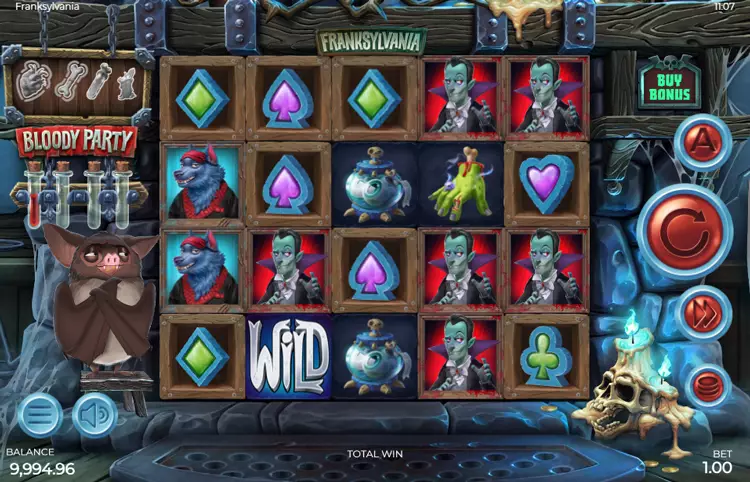
The Rise of 3D Graphics and Immersive Environments
Graphics technology has also advanced considerably.
Earlier titles typically used two-dimensional artwork with limited animation. Today's releases increasingly incorporate detailed 3D models, realistic lighting, particle effects and animated backgrounds.
Some common improvements include:
|
Technology |
Contribution to the Experience |
|
3D character models |
More expressive animations |
|
Dynamic lighting |
Greater visual depth |
|
Particle effects |
Enhanced visual feedback |
|
Animated backgrounds |
Living game environments |
|
Cinematic transitions |
Smoother movement between gameplay stages |
Developers continue improving graphical quality as devices become more powerful, allowing games to maintain detailed visuals across desktop computers, tablets and mobile phones.
Combined with modern audio, these improvements help create immersive environments without changing the underlying mechanics of the game itself.
How Audio and Visual Design Work Together
One of the biggest developments in recent years is the way audio and visuals are designed together rather than separately.
When reels stop, animations, lighting and sound effects occur simultaneously. This coordination creates a smoother experience and helps players understand what is happening on screen.
For example:
- Music may gradually build before a feature begins.
- Lighting effects often match musical timing.
- Character animations frequently respond to gameplay events.
- Environmental sounds reinforce the chosen setting.
- Visual transitions are synchronised with audio cues.
These production techniques are common throughout the wider entertainment industry and have become increasingly important in interactive game development. Sound and visual design are planned together from the earliest stages of production rather than being added independently at the end.
What Developers Consider During Production
Creating an immersive slot involves collaboration between multiple creative teams.
A typical production may include:
- Game designers
- Graphic artists
- 3D animators
- Sound designers
- Music composers
- User interface specialists
- Software developers
- Quality assurance teams
Each department contributes to the final experience while ensuring that the game remains clear, accessible and easy to navigate.
Developers also test how audio performs across different devices, ensuring that sound remains balanced whether someone plays using speakers, headphones or a mobile device.
|
Genting Casino Tip: When exploring games with rich cinematic presentation, consider playing with headphones in a comfortable environment. Clear audio can make it easier to appreciate the music, environmental effects and storytelling that developers have carefully designed into the experience. |
Looking Ahead at the Future of Slot Presentation
Technology continues to expand the creative possibilities available to developers.
Future releases are likely to feature increasingly dynamic music, more advanced lighting systems, enhanced 3D animation and richer environmental storytelling. Artificial intelligence may also assist composers and artists in creating adaptive audio that responds naturally to gameplay events while maintaining a consistent artistic style.
Despite these advances, the goal remains the same: to create enjoyable entertainment experiences through thoughtful design rather than relying on presentation alone.
Bringing Entertainment Together Through Design
Audio and cinematic presentation have become defining characteristics of modern slot development. Carefully composed music, detailed animation, sophisticated graphics and visual storytelling all contribute to creating memorable entertainment experiences while helping individual games stand apart.
Whether exploring new releases through Genting Casino or learning more about how modern games are created, understanding these creative techniques offers a greater appreciation for the craftsmanship behind today's digital slots. As always, players should enjoy these experiences responsibly and focus on entertainment first.
|
High-quality presentation can make games more engaging, but it is important to remember that audio, graphics and cinematic features are designed to enhance entertainment rather than predict or influence outcomes. If you choose to play, set a budget before you begin, take regular breaks and view gaming as a leisure activity rather than a way to make money. These habits support responsible gambling and align with guidance promoted by UK gambling regulators. |
FAQs
Why is audio important in modern online slots?
Audio helps establish atmosphere, supports storytelling and provides clear feedback during gameplay, creating a more immersive experience.
How have slot soundtracks changed over time?
They have evolved from simple looping effects into professionally produced soundtracks featuring adaptive music, ambient soundscapes and cinematic compositions.
What role do 3D graphics play in slot games?
3D graphics improve visual depth, character animation and environmental detail, making games feel more immersive while leaving gameplay outcomes unchanged.
Do cinematic animations affect game results?
No. Cinematic sequences and visual effects are presentation features only. They do not influence or predict the outcome of any spin.
Why do developers invest heavily in audio and visual design?
High quality presentation helps create distinctive entertainment experiences, supports storytelling and allows games to offer unique identities while remaining easy to recognise and enjoy.